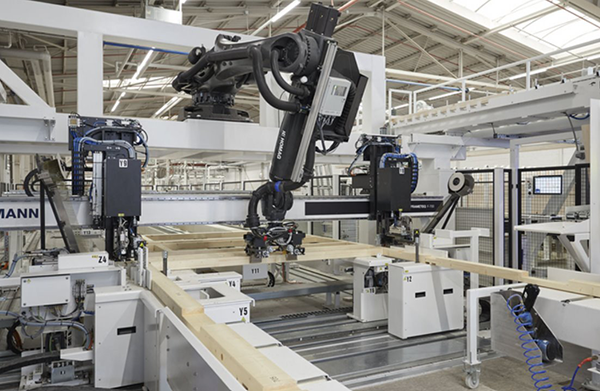
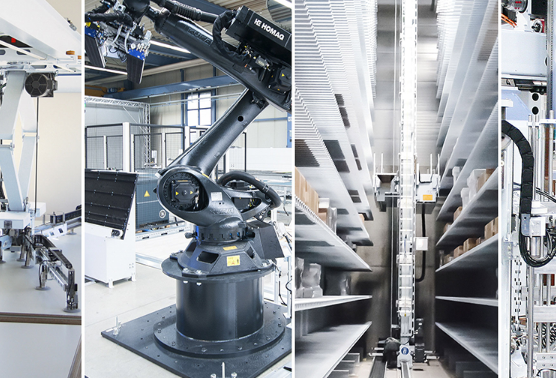
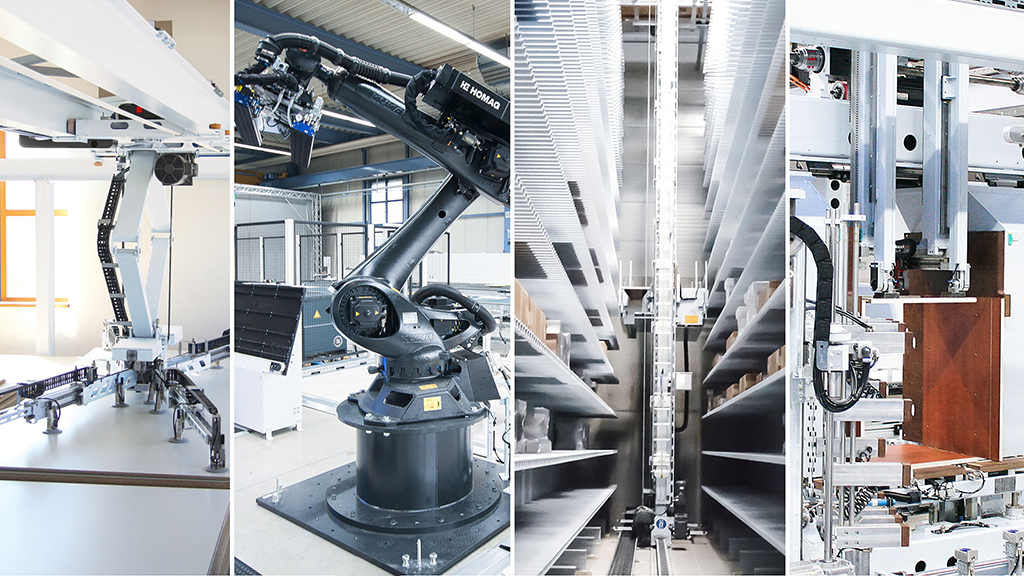
Addressing the urgent housing shortage, a modular and prefab residential company will launch in the Greater Toronto Area next year, with initial plans of producing up to 3,000 units annually.
“We’re taking a big swing here, doing this at a scale never seen before in Canada,” says Peter Hass, general manager of Stelumar Advanced Manufacturing Inc.
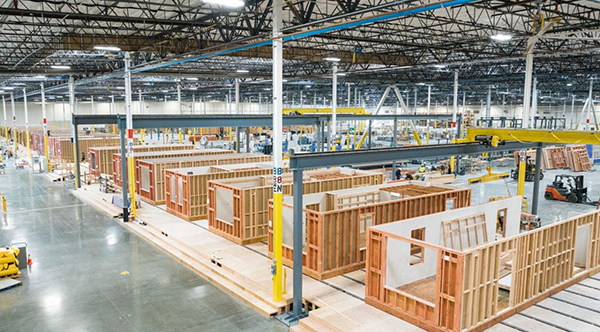
Stelumar, which was founded by Peter Gilgan who established Mattamy Homes in 1978, a giant in the single-family housing industry in Canada, will be a fully automated 450,000-square-foot facility capable of producing a variety of home types.

The first project will be a six-storey, 47-unit residence consisting mostly of middle-income large two and three bedroom suites.
Describing it as a global leader in automated prefab factories, Hass says the plant will produce volumetric modular systems comprised of flooring, primed walls and cabinetry.
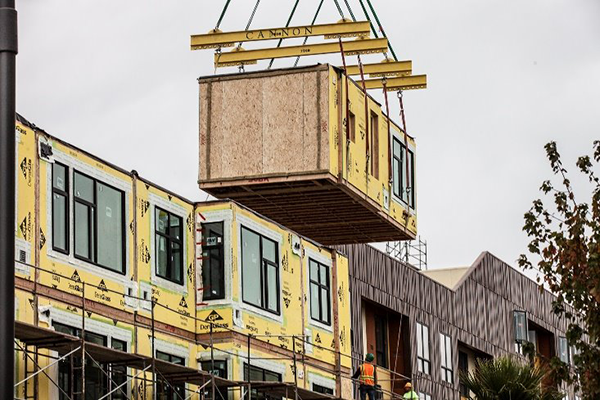
Each of the three modular boxes that make up a suite will connect utilities into the building’s common hallway.
While the cost will be on a par with a conventionally-constructed building, the general manager says the goal is complete the project in 10 months as opposed to years using conventional construction methods.
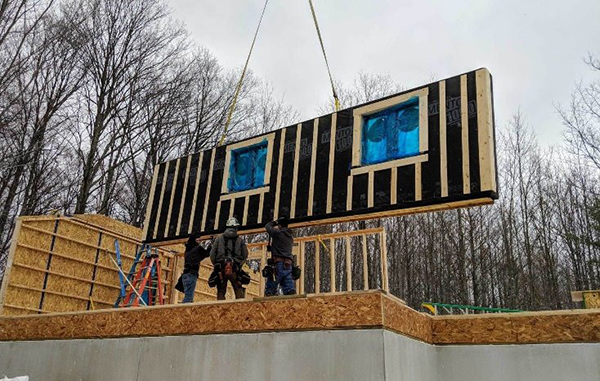
Stelumar will also produce prefab walls and floors shipped to a site for attached or detached homes.
The aim is to assemble the products in a day or so versus six weeks for traditional construction, Hass says.
While the market for prefab and modular homes is primarily in the GTA, Hass says the company sees a market for volumetric modules across Canada.
This is the second time that Mattamy has ventured into the prefab sector. In the 1990s it opened a plant producing fully detached homes.
Hass is confident of the new plant’s success. It differs from its predecessor largely through advancements in software and automated technology that enable a leaner, more efficient operation.
The 1990s plant required about 40 people to convert 2D drawings into machine-readable drawings. Today that process is fully automated because modelling is done in 3D, says Hass.
Set up costs will be hundreds of millions of dollars, with much of the money spent on automation equipment sourced primarily through the European market, he adds.
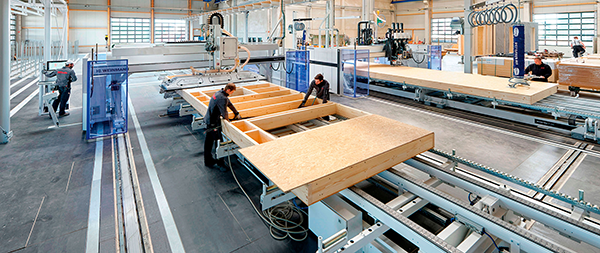
The factory will employ a staff of 75 to run and manage the office with another 300 workers on two production shifts daily.
Assembly “all the way up to drywall is relatively automated” but once each box or module is formed labour and tradespeople will be required for interior work, says the general manager.
While roofing will be done onsite, Stelumar’s goal is to complete at least 80 per cent of the cladding in the plant “with some stitching together done onsite.”
Cladding materials will vary, designed “to fit the neighbourhood.”
Modules are being designed to a maximum of 14 feet widths for shipping logistics.
To avoid pricing uncertainty largely because of tariffs, the company will source many materials from Canadian companies.
Hass says while Stelumar is in discussions with governments over possible financing assistance, the project will proceed regardless.
A three-stage equipment evaluation process will push forward the production process.
“If we get support from government we will be able to advance to the third stage quicker allowing us to build more units quicker and to that the economies of scale much quicker.”
Hass is optimistic the company can overcome zoning and permitting hurdles that can drag a project out largely because expediting that process is becoming a priority in government to help address the housing deficit.
While Stelumar has yet to finalize a building lease, he says the first portion of the factory in the GTA will be operating next year. Total buildout of close to a half million square feet will be in two warehouse-type buildings.
“We’re excited to do our part to help solve the housing crisis.”